


 |
 |
 |
 |
 |
 |





8 am breakfast The Oaks Hotel
Up early for a swim before breakfast. Buzz in the room as “Indulge” is already crowded with families. Efficient caring staff continually clears and refills. We find cozy table and choose to go light today — fresh fruit and yogurt, toast with peanut butter and blackberry jam, good coffee.
10:30 am fine olive oil tasting experience Pasolivo Olive Oil
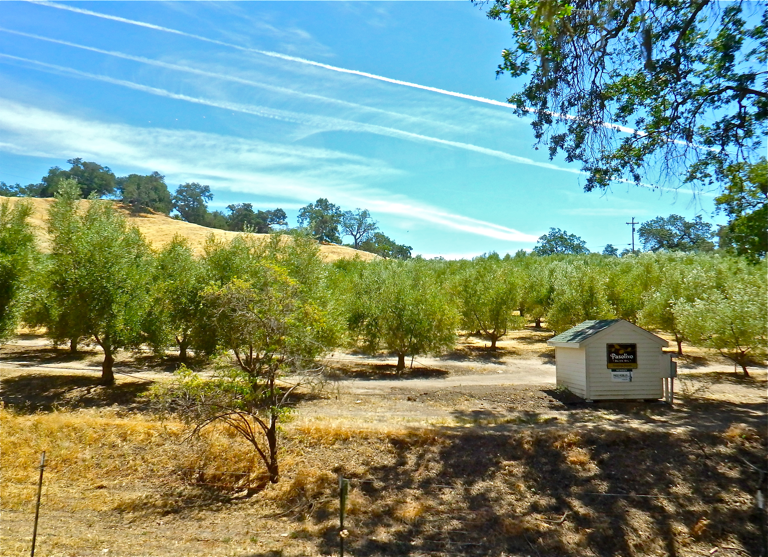
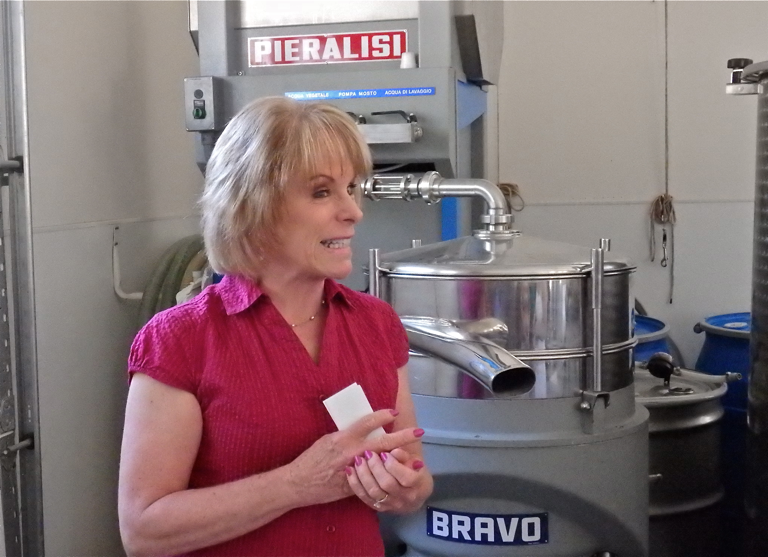
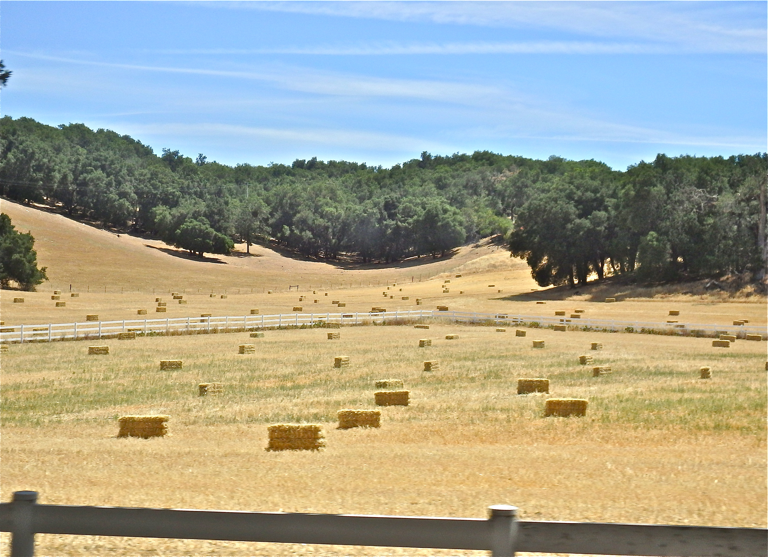
Wrangler shuttle right on time to pick us up for the next adventure. We’ll taste olive oil, a nice break from wine tasting. Passing meadows that have been mowed we notice stacked hay bales waiting for pick-up. Terrain changes to hilly and treed. Deep in the hills olive ranch trees start to appear. Olive oil, a relatively new Paso agricultural product, continues to expand as its benefits become known to consumers. Cheryl Wieczorek, GM, tours us through the production area. Very high tech with many stainless Italian machines. Organically farmed, hand harvested, the olives are gently milled within three hours of picking.
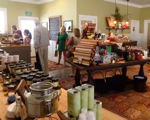
Pasolivo produces hand-crafted, estate grown extra virgin olive oil but this progressive brand has created a wide range of products, with samples in the Tasting Room/Gift shop. Soaps, lotion, body butter, salts from the world over, jams and oils to try. Lemon Olive Oil is a best seller but there is Basil, Rosemary, Lime, Tangerine, a blend of mild varietals called “Kitchen Blend”. FYI: the Basil Olive Oil formula – one ton of olives + 400 pounds of basil milled together – result in a deliciously flavored product. Gifts for home and kitchen are well chosen, some locally crafted.
noon tour and wine tasting Tablas Creek Vineyard
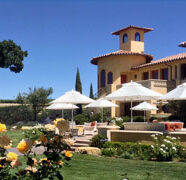
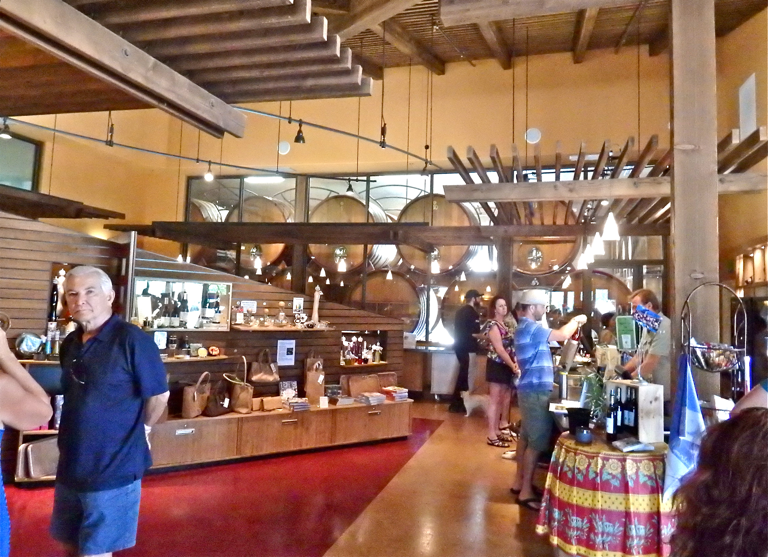
Drive on two lane curvy roads through hilly country moving past walnut, olive and almond groves is challenging but wonderful. The tasting room appears atop a knoll surrounded by CA native plants in full bloom. Several levels of patios offer tables, benches and shade umbrellas. Vineyard blocs are off in the distance hills. The tasting room is open, airy, large and high. Tasting stations ring the room, a gift display area is centered in the space. Glass wall allows views of the barrel room. Feels good in here.
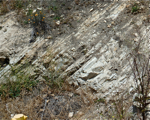
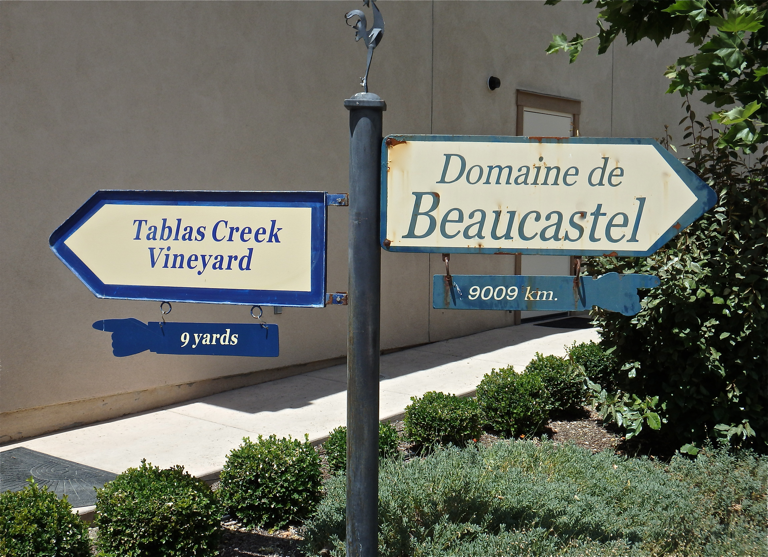
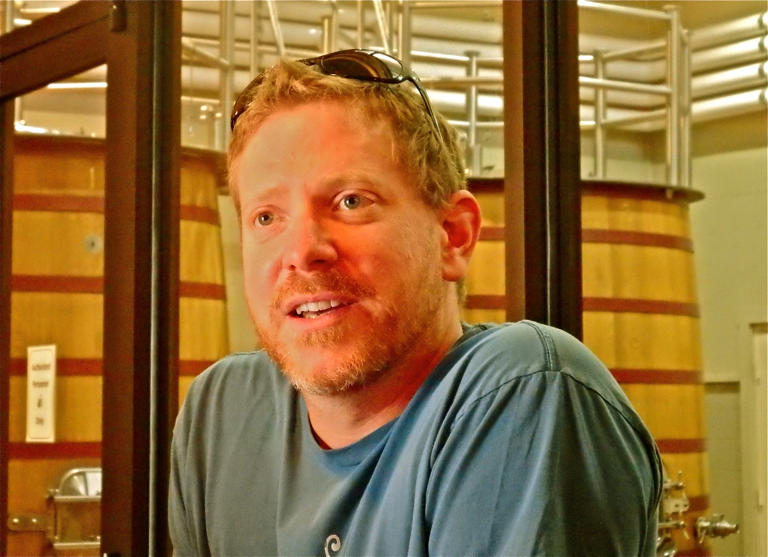
Jason Haas, General Manager, greets us and tells us the vineyard’s story. Hearing the vineyard stories is superb reward for the onerous task of tasting the wines (joke). This the story of two families, the Hass’ and the Perrin family(Chateau de Beaucastel, France), who shared a belief that Rhone grapes growing in France would thrive in California. In 1980 the American market was largely unaware of the Rhone wines but the friends began a search for land. They settled on Paso Robles – a property whose elevation averages 1,500 feet, with shallow, rocky limestone soils similar to Beaucastel’s, and a perfect climate.
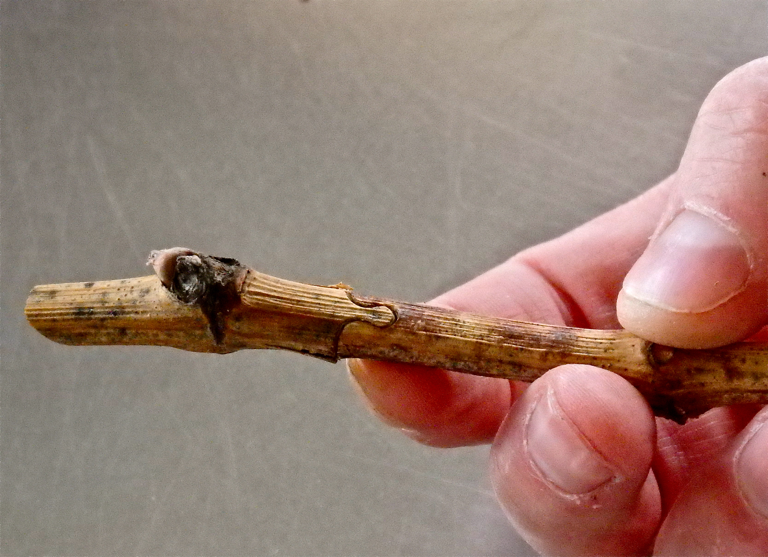
Vinifera was imported from Beaucastel to ensure vines of the highest quality and same genetic source. Vines underwent a USDA-mandated three year indexing process to ensure they were virus-free. In 1993 the first imported vines were available for multiplication into the quantities necessary for a vineyard. Tablas Creek constructed a complex of high-tech greenhouses and shadehouses to multiply the vinifera, graft onto rootstocks, and gradually harden off to sun and wind for planting in the vineyard. Planting began in 1994, with 105 acres under vine as of 2013. New clones and new varieties continue to arrive at Tablas Creek each year allowing replication of the clonal selection of an established French vineyard. Since 1996 Tablas has made high quality clones available to other vineyards.
From negligible acreage of Rhones in San Luis Obispo county, now there are more acres of grenache blanc, roussanne, syrah, and counoise in the county than any other, and more acrerage of viognier and mourvedre than any other coastal or mountain county. It’s become an epicenter for Rhone. Robert Haas started Tablas Creek in his 60’s. Now 86, he has not slowed down. He is in the vineyard every day. Jason, in a magazine interview, describes him as” incredibly dynamic and willing to experiment, and still comes up with more new ideas than anyone I have ever worked with”. A recent honor, the 2014 Rhone Ranges Lifetime Achievement Award, only the second awarded by the national organization, recognizes Robert Haas’ contribution to the USA Rhone movement. A fabulous story.
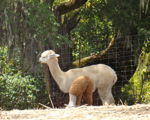
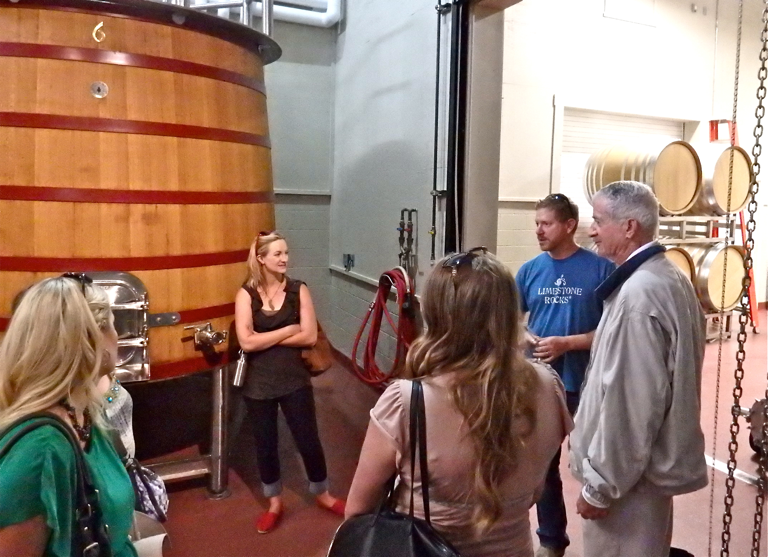
Jason leads us on a education tour of the biodynamic animal stable, organic vineyard, and grafting shed before returning to the winery to see the behind the scenes production area. The llama mama’s little one is constantly at her side. Chickens run about but most hide in the shady areas. 20 acres are biodynamically farmed, a mobile flock of sheep keep down the weeds and fertilize the soil. They are guarded by two donkeys. Environmentalism and sustainabilility is foremost in the planning. Today 40% of power is met with solar but they’re going for 100%.
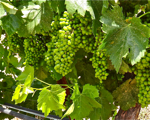
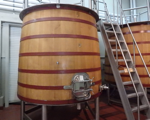
The organic grapes are dry farmed. They believe minimum human intervention in the winemaking process preserves the wine’s link to its origin. At harvest, each vineyard block is hand-harvested selectively, typically requiring 2-4 passes through each block. All wines are fermented with native yeasts. Whole clusters of white grapes are pressed, the juice fermented in small and large French oak barrels, mostly neutral, and stainless steel. Whole berry red grapes, sorted and destemmed, are put into stainless steel or 1500-gallon wooden upright fermenters. During fermentation, the must is pumped over, punched down twice a day. After fermentation, the red wines are pressed, blended and aged for one year in 1200-gallon French oak foudres. Rhône varietals are blended to produce wines more complex, better balanced, and richer than single varietal wines.
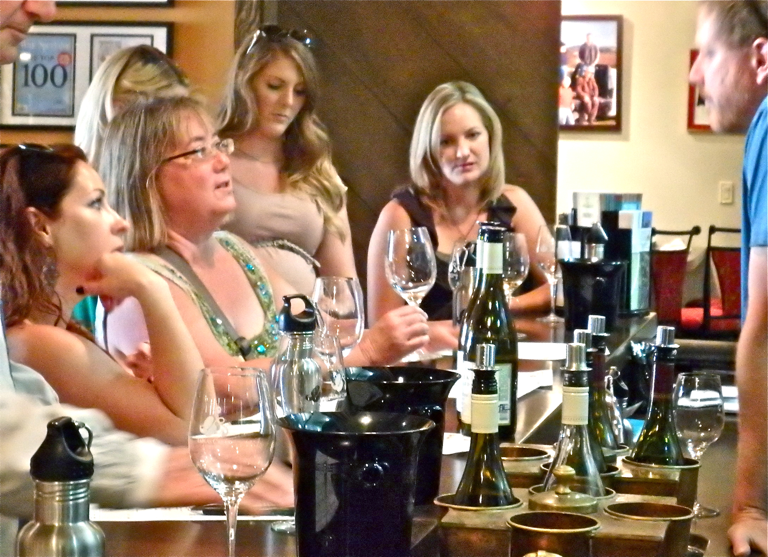
To the tasting. Each day a wine is featured: today, it is 100% Vermentino, 2013. Light pink in color, bright, clean, crisp, with citrus with mineral flavors. Refreshing acidity. It’s a traditional Mediterranean variety prominent in Sardinia and Corsica. Rated 90 points (Wine Advocate). The flagship red, “Esprit de Tablas 2011, blends 40% Mourvedre (rich structure), 30% Genache Noir(lushness), 20% Syrah(minerality) with 20% Counoise(spice). The earthy, leathery, chewy tannins come from the Mourvedre. It’s a beautifully full-bodied and elegant wine. Their superbly balanced 2010 Esprit De Beaucastel increases the Mourvedre to 45%, the Syrah to 21% and reduces the Counnoise to 4%. The cool refined 2010 vintage was one of the best yet for Tablas. This wine could go out 15-20 years. (94 points, Wine Advocate)
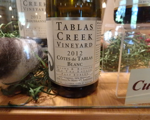
Tablas makes a couple of Roses’ each year. We taste Dianthus Rose 2013 made from the oldest block of Mourvedre, Granache and Counoise vines, co-fermented, left on the skins for 36 hours (for structure and character). There are cherry, watermelon and strawberry tones. It’s fresh and a little spicy. This wine is in the “reserve” catagory, not distributed. The in-house classic Paso vintage is “Cotes De Tablas”, 2012. Spiciness of Grenache (60%), meatiness of Syrah (25%), earth and structure of Mourvedre(5%), and spiciness of 10% Counoise yield a blend reminiscent of classic, built to age wines of Gigondas and Vacqueras. 91+ points, Wine Advocate, Tanzer’s IWC
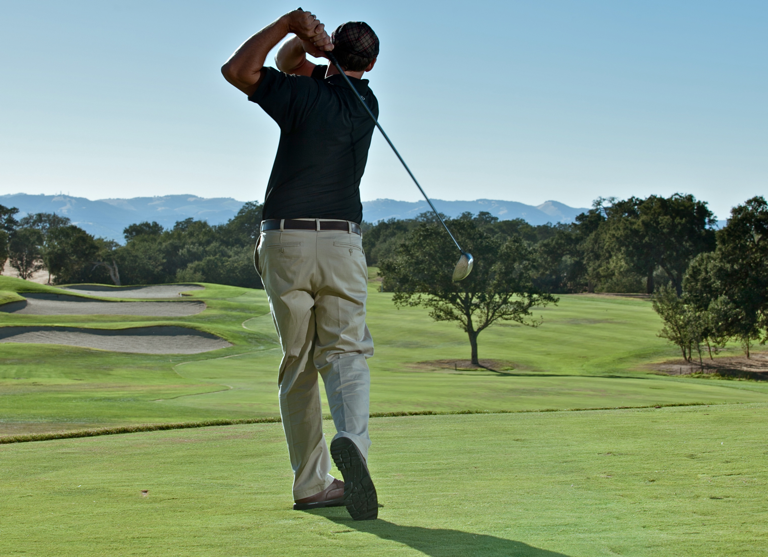
Enjoyed our tasting and visit with host, Jason Haas. We’re leaving Paso Robles heading South to Marina del Rey. With a 4+ hours drive ahead and boat to catch (it won’t wait for us) we can’t hang like we’d prefer to. Still so much to do here in Paso. Next trip: bike the winding wine country roads, hike the coastal mountain bluffs at Montana de Oro, fish at a mountain lake, visit the u-pick Lavender farm, learn to make goat cheese or drive a stagecoach, take a wine making seminar or spend a day as a rancher – tending cows, goats and chickens. Maybe a little golf, a visit to the Mission Museum, and finish off with a hot spring mineral bath soak. Ahhhh.
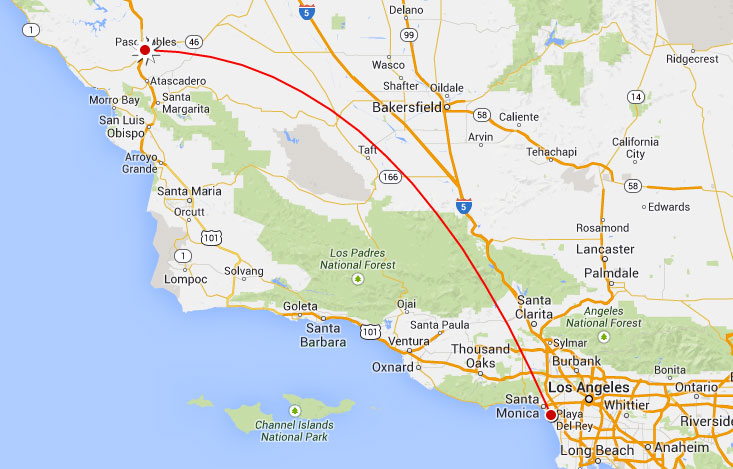 170 miles
Photos
change automatically – touch thumbnail or number for specific image













Recent Comments